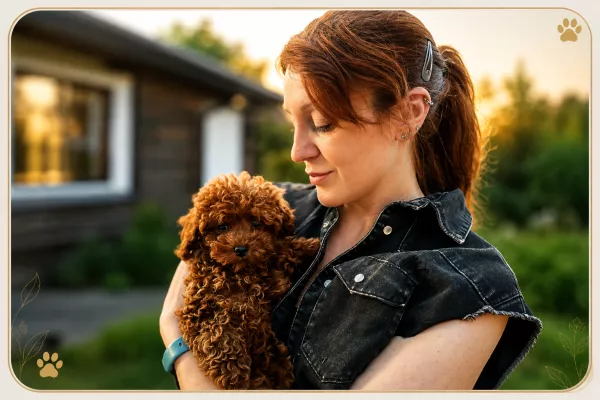

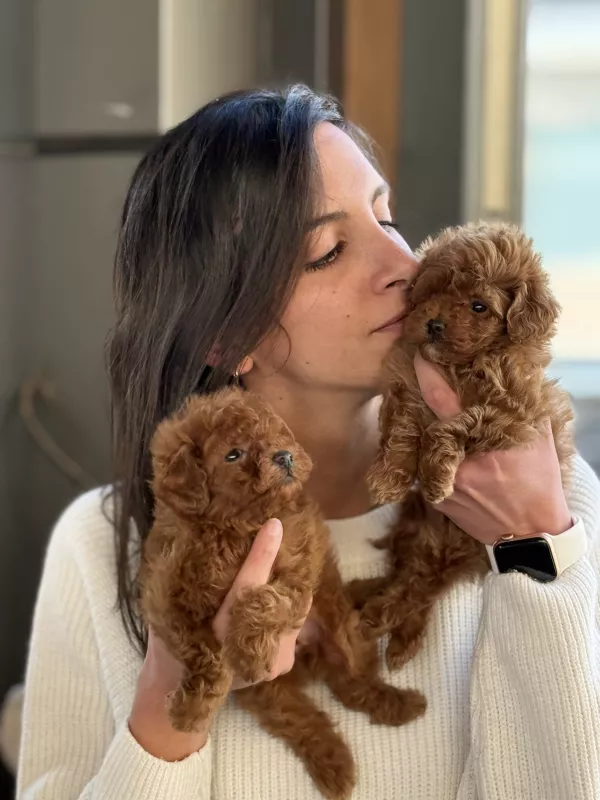
Toy Poodle puppies combine remarkable intelligence, affection, and elegance in a tiny companion. In this complete guide, you will learn about their temperament, adult size, coat care, training, health, daily routine, and the questions to ask before welcoming one home.
A Toy Poodle may look delicate, but behind those bright eyes and soft curls is an alert, athletic, highly trainable dog. With thoughtful socialization, consistent care, and plenty of human companionship, this little Poodle can become a confident family member for many years.
Toy Poodle at a Glance
| Trait | What to Expect |
|---|---|
| Size | Up to 10 inches at the shoulder under the AKC breed standard; many adults weigh approximately 4–6 pounds |
| Personality | Intelligent, affectionate, lively, observant, and people-oriented |
| Coat | Curly and low-shedding, but it requires regular brushing and professional grooming |
| Training | Fast learner who responds best to calm, positive, reward-based sessions |
| Exercise | Daily walks, play, training, and mental enrichment in age-appropriate amounts |
| Life expectancy | Often 10–18 years, according to the American Kennel Club |
| Best suited for | Attentive homes seeking a small, clever companion and able to maintain its grooming routine |
What Makes a Toy Poodle Special?
Toy Poodles are the smallest of the three Poodle varieties recognized by the American Kennel Club: Standard, Miniature, and Toy. All three share the same elegant outline, curly coat, alert expression, and famously quick mind. The difference is primarily size.
The Toy Poodle was developed as a companion-sized version of the larger Poodle. Today, the breed is loved for far more than its beautiful appearance. Toy Poodles notice routines quickly, enjoy learning, and often form a close bond with the people who care for them.
Temperament and Family Life
A well-raised Toy Poodle is typically affectionate, lively, responsive, and curious. Many want to be involved in whatever their family is doing, whether that means learning a new trick, going for a short walk, or relaxing beside their person.
- Highly intelligent: Toy Poodles learn patterns and cues quickly, so training should begin gently from the first day.
- People-focused: They usually enjoy close companionship and may not thrive when left alone for very long periods.
- Alert: Their awareness can make them good little watchdogs, but calm training helps prevent excessive barking.
- Sensitive: Harsh corrections can reduce confidence. Clear routines and positive reinforcement are much more effective.
Are Toy Poodles Good with Children and Other Pets?
They can live happily with respectful children and compatible pets, especially when introductions are gradual and positive. Because Toy Poodles are physically small, every interaction with young children should be supervised. Children should learn to sit on the floor, handle the puppy gently, and never pick the puppy up without adult help.
Toy Poodle Size, Appearance, and Colors
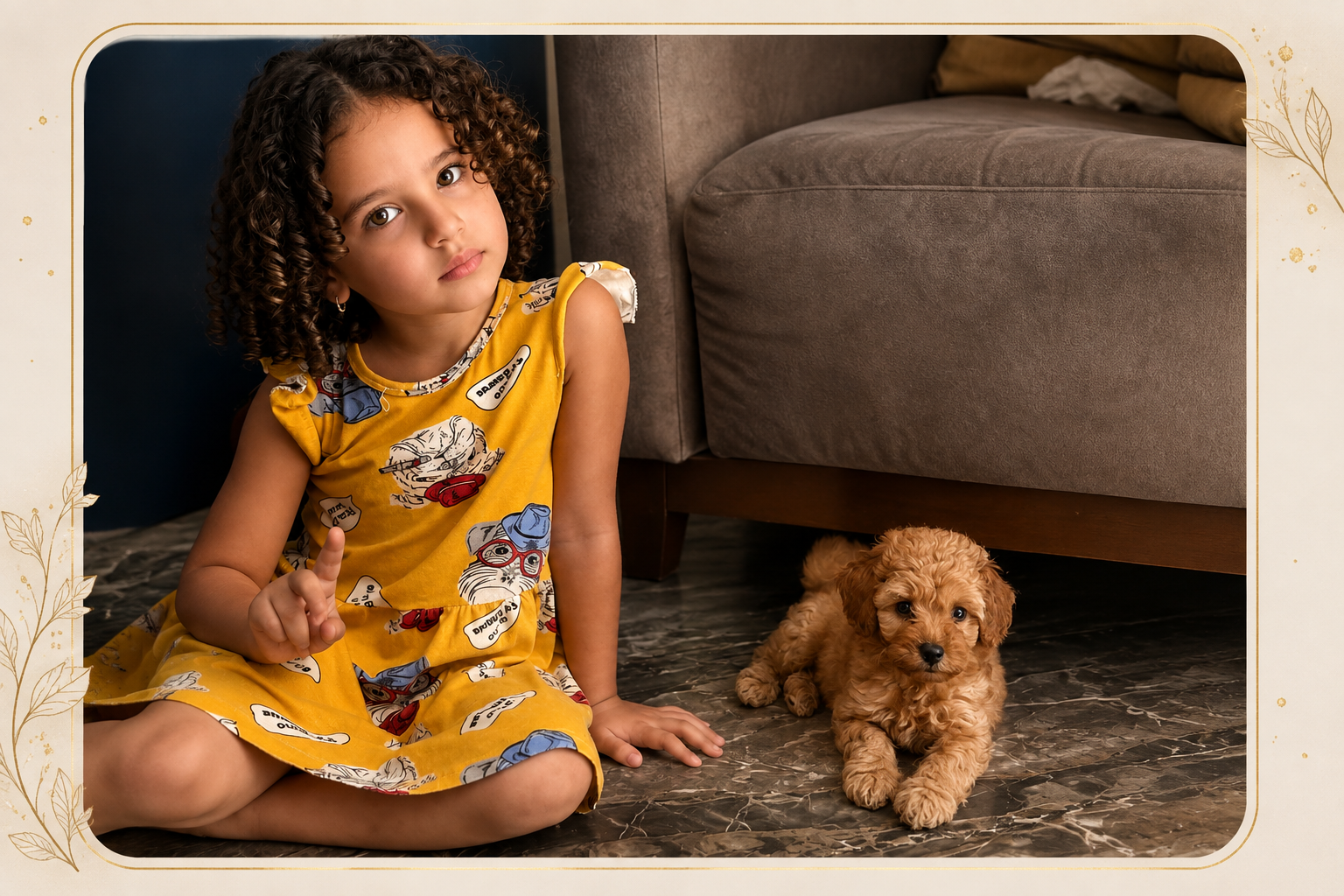
Under the AKC standard, a Toy Poodle stands no more than 10 inches at the shoulder. Adult weight varies with build, but many mature Toy Poodles are approximately 4–6 pounds. A puppy advertised with labels such as “teacup,” “micro,” or “pocket” is not a separate recognized Poodle variety. Extremely tiny size should never be prioritized over health, structure, and stable temperament.
Toy Poodles may be seen in black, white, brown, cream, apricot, red, silver, gray, and other recognized solid colors. Coat shade can change as a puppy matures. Color is beautiful, but it should come after health, personality, and responsible breeding practices when choosing a puppy.
Training and Early Socialization
Toy Poodles are often a pleasure to train because they enjoy interaction and understand new ideas quickly. Their intelligence also means they can learn unwanted habits just as fast, so consistency matters.
- Start with the essentials: name response, recall, sit, handling, settling, and comfortable crate or safe-area training.
- Keep sessions short: several cheerful three-to-five-minute sessions are better than one long lesson for a young puppy.
- Reward the behavior you want: use tiny treats, praise, toys, and access to favorite activities.
- Socialize thoughtfully: introduce safe people, household sounds, surfaces, car rides, grooming tools, and veterinarian handling without overwhelming the puppy.
- Build independence: practice brief, calm periods alone so constant companionship does not become a source of anxiety.
Potty Training a Toy Poodle Puppy
A small bladder means a young Toy Poodle needs frequent opportunities to toilet. Take the puppy to the same approved place after waking, eating, drinking, playing, and before bedtime. Reward success immediately. Accidents should be cleaned thoroughly, never punished. A predictable schedule, close supervision, and patience produce the best results.
Exercise and Mental Enrichment
Toy Poodles are small, but they are not decorative dogs. They benefit from daily movement and mental work. Short walks, gentle play, scent games, food puzzles, and trick training can help produce a calm, satisfied companion.
Young puppies should avoid forced running, repeated stair climbing, and jumping from high furniture while their bodies are developing. Choose age-appropriate activity and ask your veterinarian when you are unsure. A secure harness and a lightweight leash are often more comfortable for everyday walks than pressure on a tiny neck.
Grooming the Curly Coat
The Poodle coat sheds relatively little, but loose hair stays in the curls and can form mats. “Low-shedding” does not mean maintenance-free, and no dog can be guaranteed not to trigger allergies.
- Brush and comb thoroughly several times each week; a longer coat may require daily attention.
- Check friction areas such as behind the ears, under the collar or harness, the armpits, legs, and tail.
- Introduce brushing, face handling, paw handling, and the sound of grooming equipment while the puppy is young.
- Arrange professional grooming on a schedule appropriate to the chosen haircut; many pet homes use an appointment roughly every four to six weeks.
- Keep nails comfortably short and follow veterinary guidance for ear and dental care.
Feeding and Everyday Care
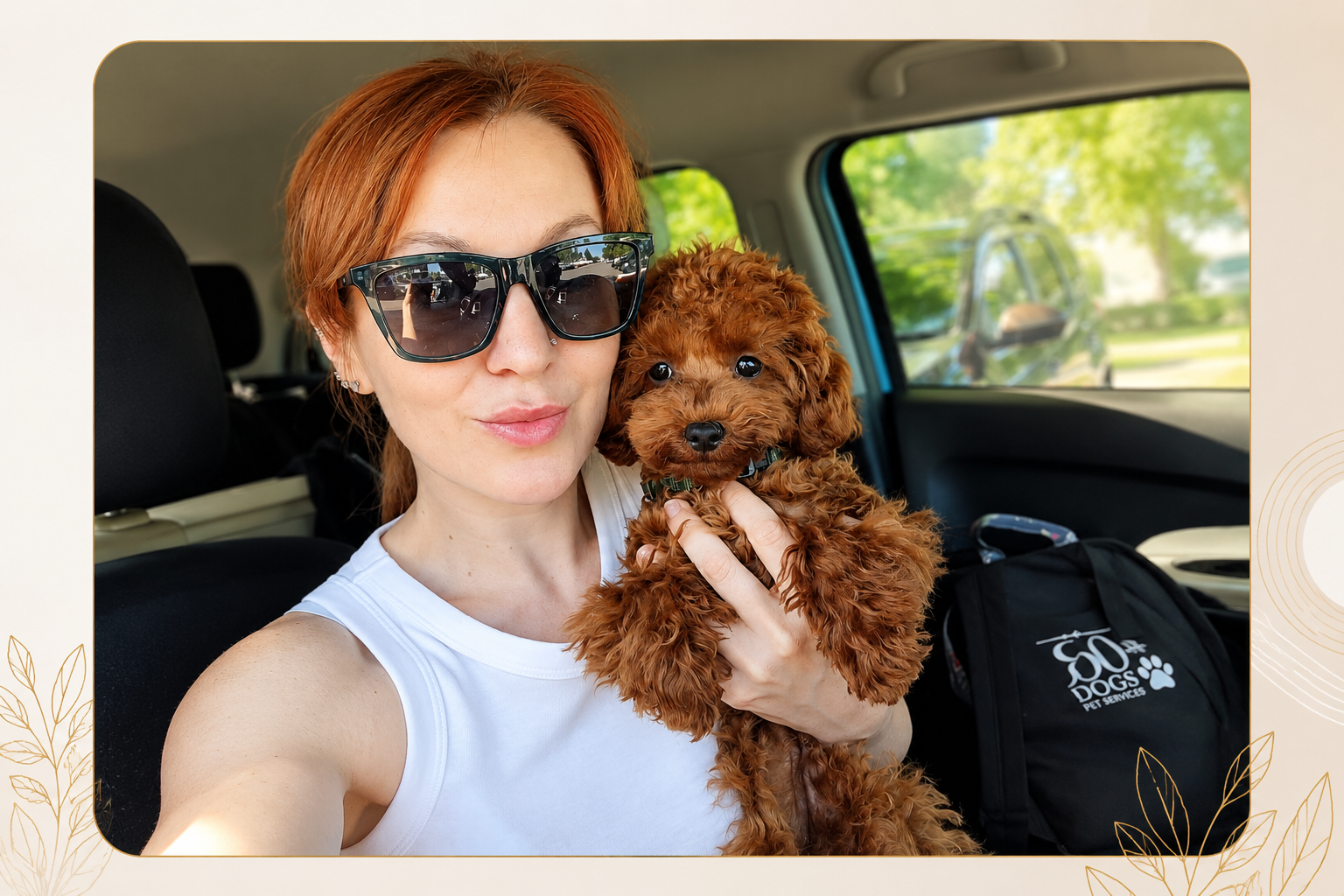
Choose a complete, balanced puppy food appropriate for small-breed growth and use the feeding guide as a starting point. Portion needs depend on age, body condition, activity, and the food itself, so your veterinarian is the best person to adjust the plan.
Very young toy-breed puppies have limited energy reserves. Regular meals are important, and sudden weakness, trembling, unusual sleepiness, confusion, or collapse requires urgent veterinary attention. Fresh water should always be available unless a veterinarian directs otherwise.
Dental care deserves special attention in small dogs. Begin with gentle mouth handling and work toward regular tooth brushing with dog-safe toothpaste. Your veterinarian can recommend an appropriate home routine and professional checks.
Health and Responsible Puppy Selection
Every breed has health considerations. A responsible source does not promise that a puppy can never become ill; instead, it documents thoughtful breeding decisions, appropriate health screening, veterinary care, and honest communication.
When considering a Toy Poodle puppy, ask to review:
- The puppy’s veterinary record, vaccination and deworming history, microchip information, and age-appropriate examination.
- Identity and health information for the parents.
- Breed-relevant screening, which may include patella evaluation, an eye examination, and DNA testing for progressive retinal atrophy according to responsible breed-health programs.
- Clear photos or live video showing the puppy’s movement, environment, behavior, and current condition.
- A written explanation of what is included, the handover plan, and any travel arrangements.
Important: Choose health and temperament before extreme size, rare-color marketing, or an unusually low price. Documents should be verified, and any medical question should be discussed with a licensed veterinarian.
Preparing for Your Puppy’s First Week
Before arrival, prepare a quiet sleeping area, correctly sized crate or pen, familiar food, small bowls, a secure harness, lightweight leash, ID tag, safe chew toys, grooming tools, enzymatic cleaner, and an appointment with your veterinarian.
Keep the first days calm. Maintain the puppy’s familiar food and schedule at first, introduce family members gradually, and allow plenty of sleep. Avoid crowded places until your veterinarian confirms which outings are safe based on the puppy’s vaccination status and local disease risk.
Finding the Right Toy Poodle with 50 Dogs
Finding a puppy is not only about choosing the cutest photo. The right match considers age, temperament, expected size, health information, family lifestyle, location, and the practical journey home.
Through the 50 Dogs Pet Order Service, you can tell us the qualities you are seeking. Our team can assist with breeder and availability coordination, puppy information, selection planning, and the steps needed to bring your chosen companion closer to home.
International Travel for a Toy Poodle Puppy
Pet travel requirements depend on the puppy’s age, route, airline, origin, destination, and current import rules. Vaccination timing, microchip standards, veterinary documents, crate requirements, permits, or waiting periods may apply. A puppy should never be promised for a route until the case has been reviewed.
If you already have a Toy Poodle who needs to travel, submit the details through our Pet Shipping Service. 50 Dogs coordinates suitable air or road planning, documents, crate preparation, airport support, and door-to-door options when available for the route.
Frequently Asked Questions
Are Toy Poodles suitable for apartment living?
Yes. Their compact size suits smaller homes, provided they receive daily activity, mental enrichment, training, and companionship. Calm barking habits should be taught early.
Do Toy Poodles shed?
They are considered low-shedding, but the curly coat requires regular brushing and clipping. Individual allergy reactions vary, so spend time with Poodles before making a decision if allergies are a concern.
Are Toy Poodles easy to train?
They are highly intelligent and often learn quickly. The best results come from positive reinforcement, short sessions, consistent household rules, and early socialization.
How big does a Toy Poodle become?
The AKC standard sets a maximum height of 10 inches at the shoulder. Many adults weigh around 4–6 pounds, although healthy weight depends on the individual dog’s structure and body condition.
Can a Toy Poodle puppy travel internationally?
Possibly, but eligibility depends on age and route-specific rules. The origin country, destination, airline, vaccinations, microchip, documentation, and timing must all be checked before travel is confirmed.
A Small Dog with a Remarkable Heart
For the right home, a Toy Poodle offers an exceptional combination of intelligence, affection, elegance, and joyful energy. Invest in responsible selection, gentle training, careful handling, coat care, preventive veterinary support, and meaningful time together—and this tiny companion can become an unforgettable part of the family.
Looking for your dream Toy Poodle or planning a safe journey for a pet? Start with the Pet Order Service or request support through our Pet Shipping Service.
50 Dogs — Become Closer To Your Dream Pet.
Sources and Professional Guidance
- American Kennel Club: Toy Poodle Breed Information
- Orthopedic Foundation for Animals: CHIC Health Screening Program
This article provides general educational information and is not a substitute for advice from your veterinarian, qualified trainer, or destination authority.